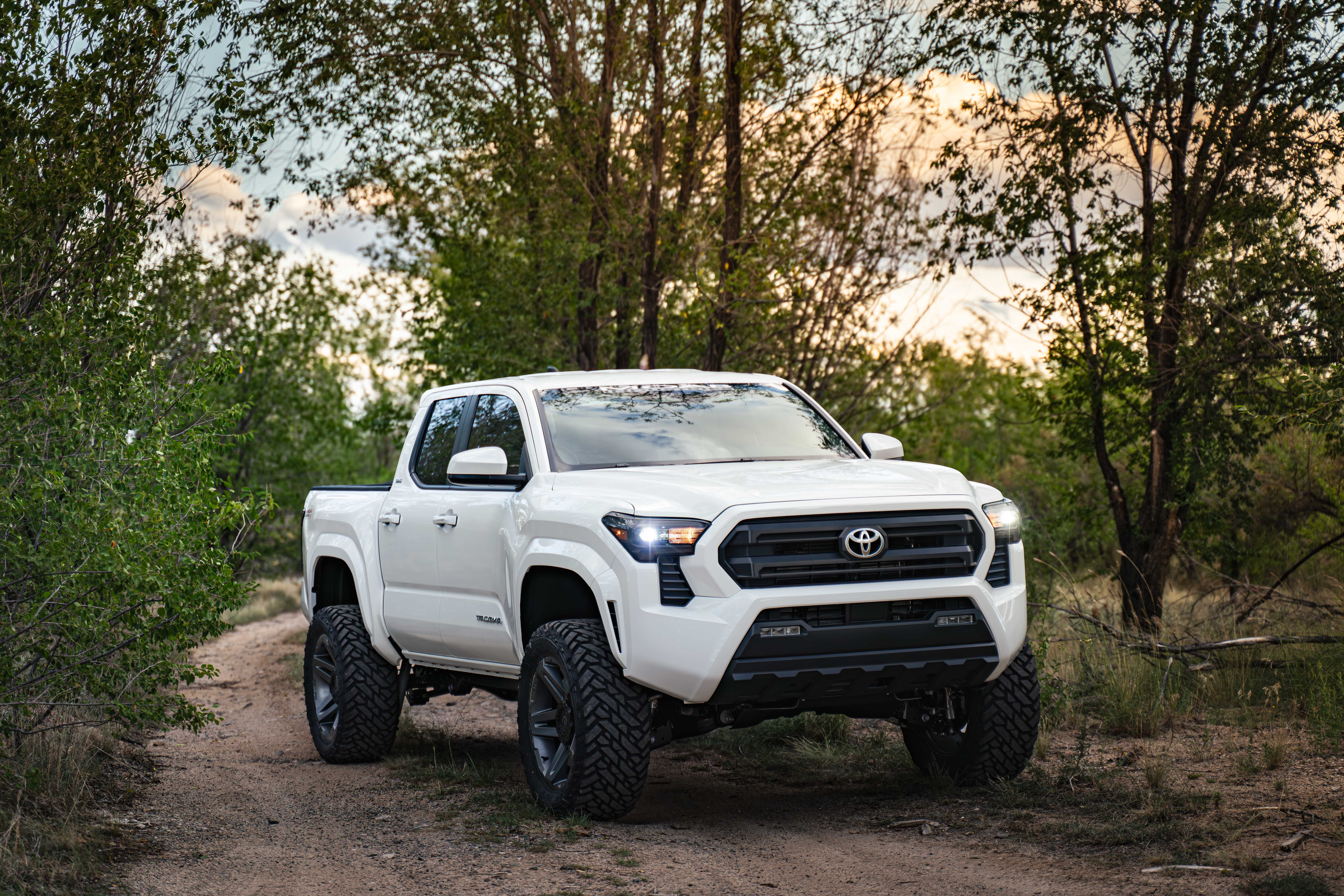
Dealership Toyota Tacoma MOAB Industry Builds
May 25, 2022

January 7, 2025
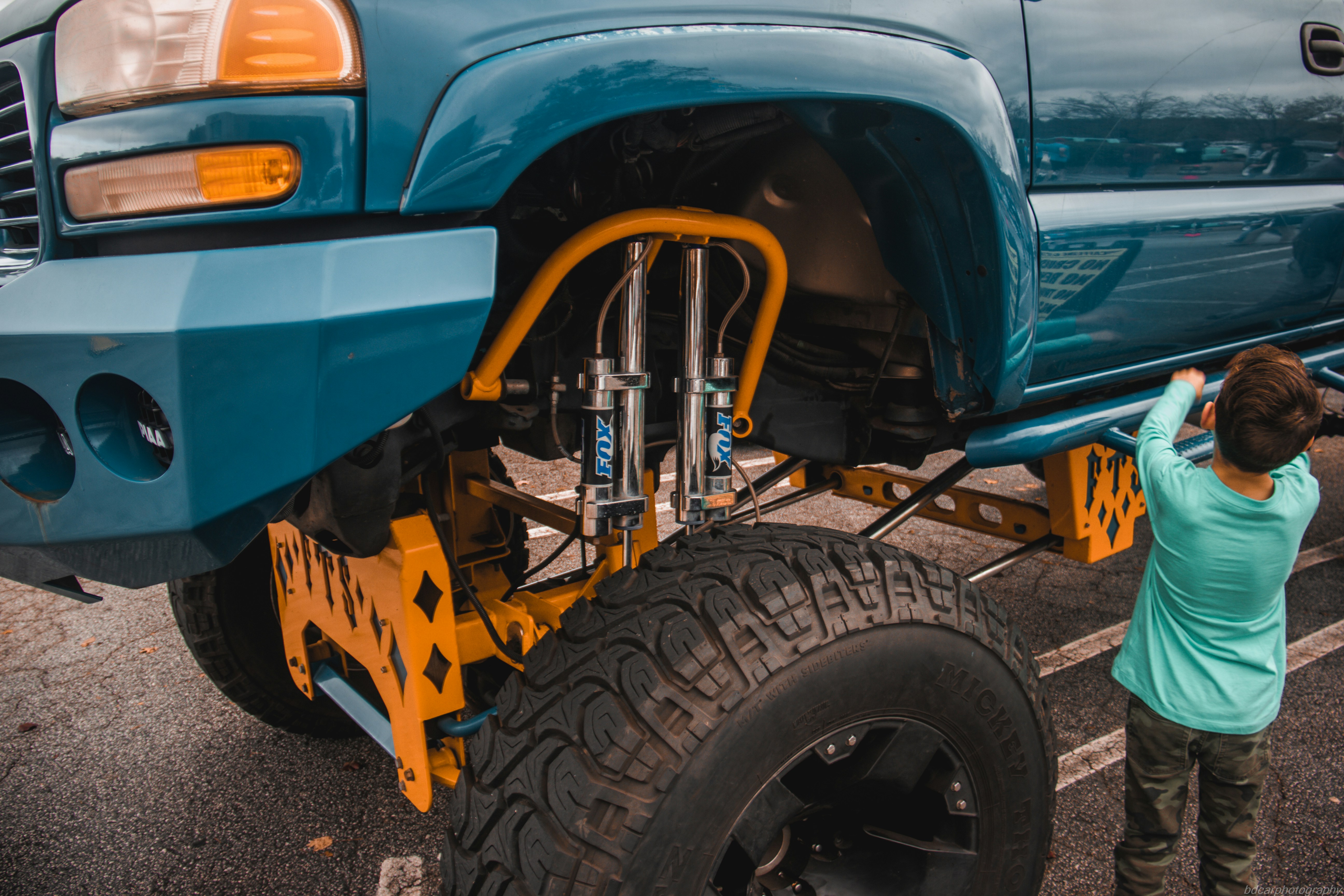
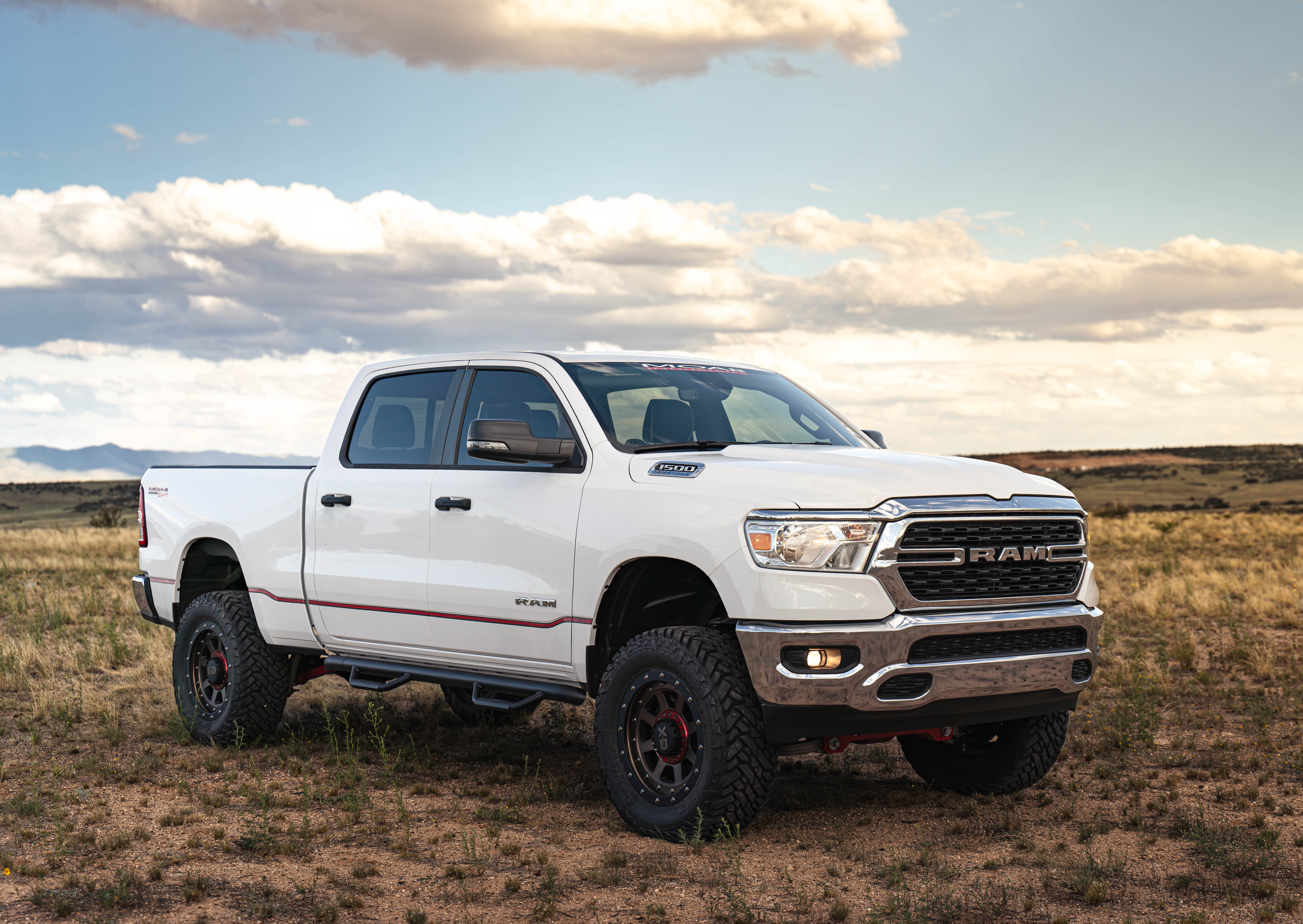
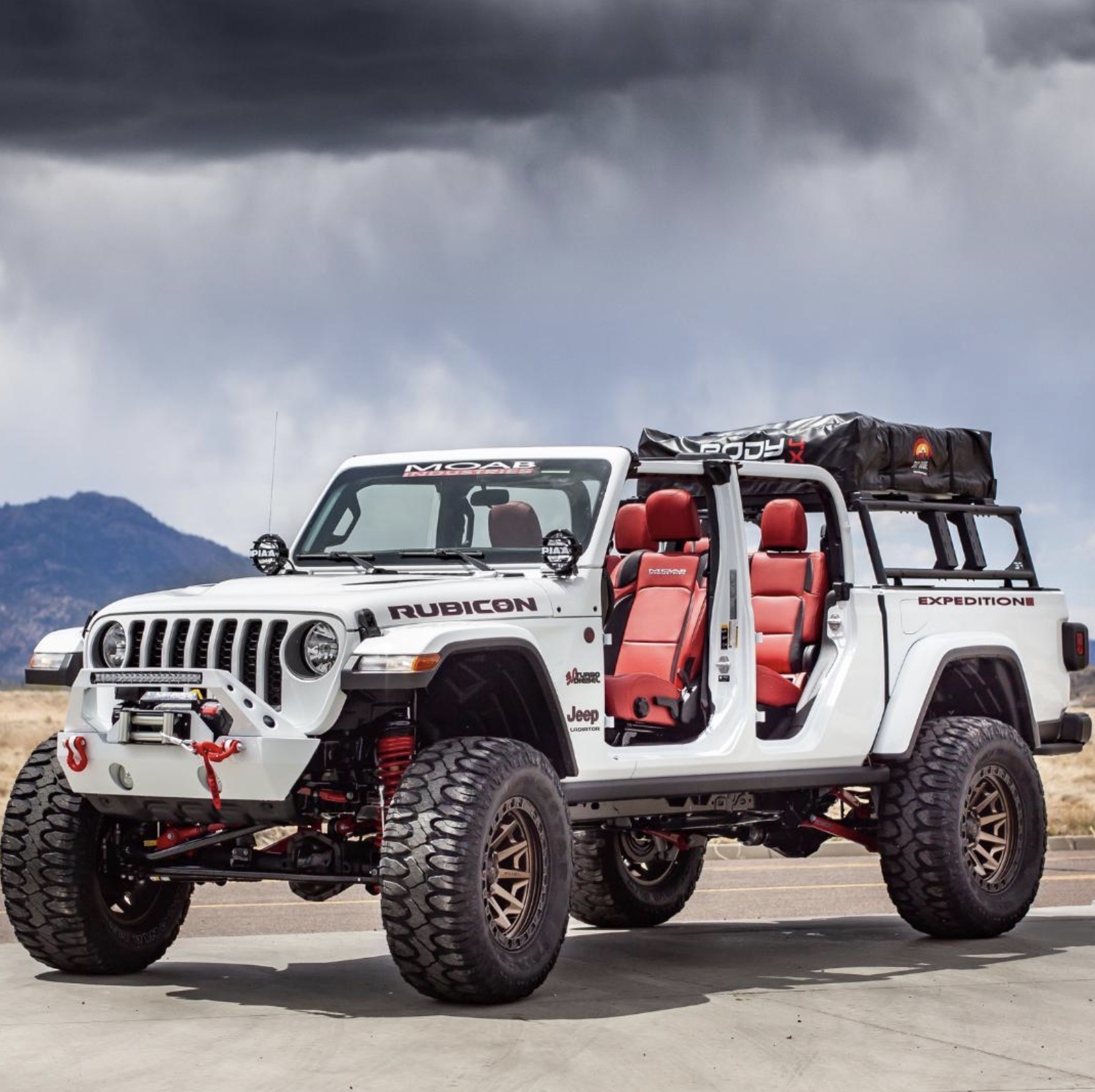
Lifting your truck or SUV is an exciting way to enhance its performance, aesthetics, and off-road capabilities. A well-executed lift can provide additional ground clearance, allow for larger tires, and give your vehicle a commanding presence on the road. However, modifying your suspension system is not a decision to take lightly. It requires careful planning and consideration to ensure the best outcome for your vehicle and driving needs. Below are three key things to consider before lifting your truck or SUV.
Before diving into a lift kit purchase, it’s crucial to define why you want to lift your vehicle. Are you planning to tackle rugged off-road trails, enhance your vehicle’s appearance, or improve towing capabilities? The purpose of the lift will significantly influence your choices.
If off-roading is your primary goal, you’ll need a suspension lift kit designed to handle rough terrain. These kits typically provide more significant lift heights, increased wheel travel, and durable components that can withstand harsh conditions. Additionally, consider the type of off-roading you plan to do, such as rock crawling, mudding, or overlanding, as different terrains may require specific setups.
For those lifting primarily for looks, a body lift kit might be sufficient. Body lifts raise the body off the frame without altering the suspension system, providing extra height without affecting ride quality. While less expensive than suspension lifts, they’re not ideal for enhancing off-road performance.
If your goal is to improve towing or hauling performance, a moderate suspension lift paired with upgraded shocks and springs can enhance stability and load-bearing capabilities. Make sure the lift doesn’t compromise your vehicle’s center of gravity or handling.
Lifting a vehicle can range from a few hundred dollars to several thousand, depending on the type of lift kit and additional modifications required. It’s essential to set a realistic budget and prioritize quality components to ensure safety and durability.
Beyond the lift kit itself, consider additional expenses such as:
Investing in high-quality parts from reputable manufacturers can prevent long-term issues and ensure your safety on and off the road.
Lifting your vehicle changes its center of gravity, which can affect handling, stability, and overall performance. Understanding these changes and how to mitigate potential drawbacks is essential.
A suspension lift can alter your vehicle’s ride quality. For example, stiffer shocks and springs may improve off-road capability but can make the ride rougher on paved roads. Conversely, body lifts have minimal impact on ride quality but don’t enhance suspension travel or performance.
Adding height and larger tires increases aerodynamic drag and rolling resistance, which can reduce fuel efficiency. This trade-off is something to consider, especially if you use your truck or SUV for daily commuting.
Lifting your vehicle too high can reduce stability, making it more prone to rollovers, especially during sharp turns or emergency maneuvers. Additionally, ensure that your modifications comply with local laws and regulations, as some jurisdictions have restrictions on maximum vehicle height or bumper heights.
A lifted vehicle may require upgrades to steering and braking systems to maintain control and safety. Extended brake lines, upgraded rotors, and recalibrated steering geometry are common modifications needed to accommodate a lift.
Lifting your truck or SUV is an investment in both style and functionality, but it requires careful planning to ensure success. By considering your primary purpose, setting a realistic budget, and understanding the impact on performance and handling, you can make informed decisions that align with your needs and preferences. Whether you’re hitting the trails or cruising through town, a well-executed lift will help you get the most out of your vehicle.